Roof repair is the work of finding the real entry point for water, then correcting the detail that failed instead of patching symptoms from the ground.
We start with a full roof inspection using a ladder, scaffold where the pitch demands it, and a safety harness on anything steep.
From there we check the shingle field for granule loss and missing fasteners, then work down through the underlayment, decking, and every flashing detail where water gets a foothold.
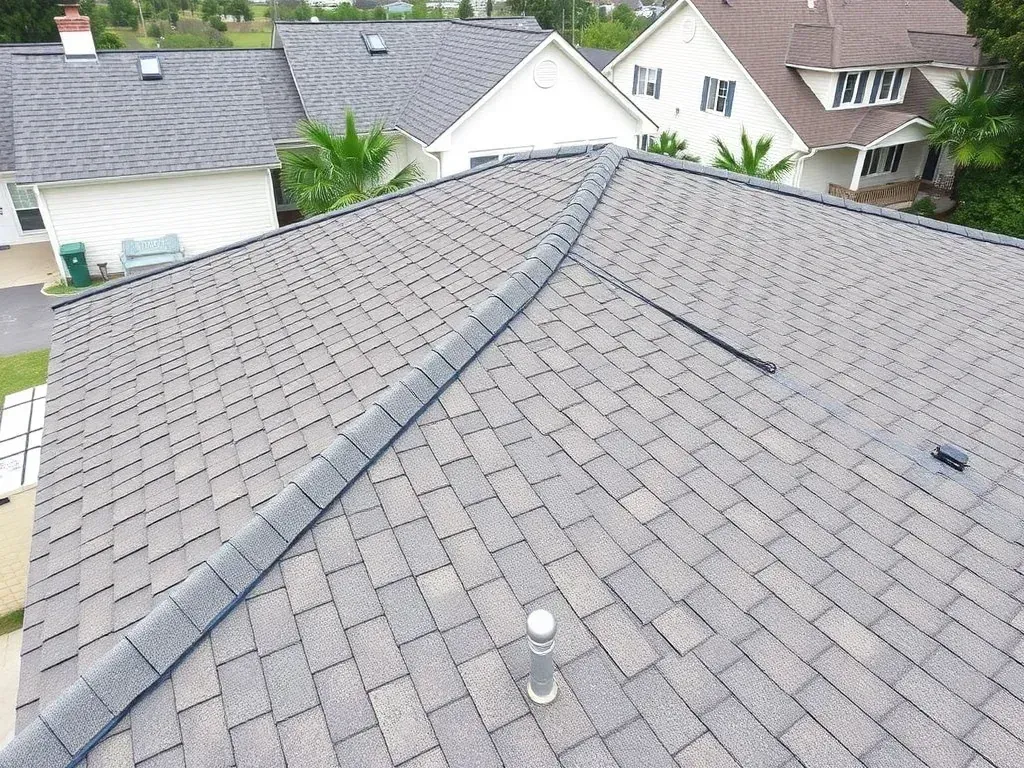
Most leaks we see trace back to the same short list of details: a cracked pipe boot, a vent boot whose collar has gone brittle, chimney flashing that has pulled loose, and step flashing at a sidewall that has rusted through.
We also look for counterflashing lifted out of its mortar joint, a valley packed with leaves, a ridge cap missing fasteners, and a drip edge nailed so tight the shingle edge curls.
Polyurethane caulk goes on masonry, and counterflashing gets reset into the mortar joint rather than smeared over. We use roof cement and mastic only where a repair coat belongs.
A heavy sealant troweled over a leak hides the problem for one season and traps moisture for the next.
- A blister or buckle in the field course usually means trapped moisture underneath, not one bad shingle.
- Curled or split tabs along the rake, the gable verge, and the eave point to end-of-life wear on an asphalt shingle roof.
- A puncture or hole the size of a quarter still lets water wick into the sheathing and start rot.
- Rust streaks on the roofline, or a corroded fastener head, tell you a valley or apron flashing has been leaking a while.
- A leaky skylight, dormer, or chimney chase becomes an emergency once water reaches insulation or a ceiling below.
- Sag or settle across a roof plane means the problem has moved past shingles into the truss or rafter framing.
- Granule loss collected in the gutter and downspout is the clearest early sign an asphalt roof is near replacement.
- Algae streaking across a cool north slope is normal in our humidity and does not by itself mean the roof is damaged.
What we repair depends on what is overhead, because a three-tab shingle, a cedar shake, and a clay tile roof each fail in their own way.
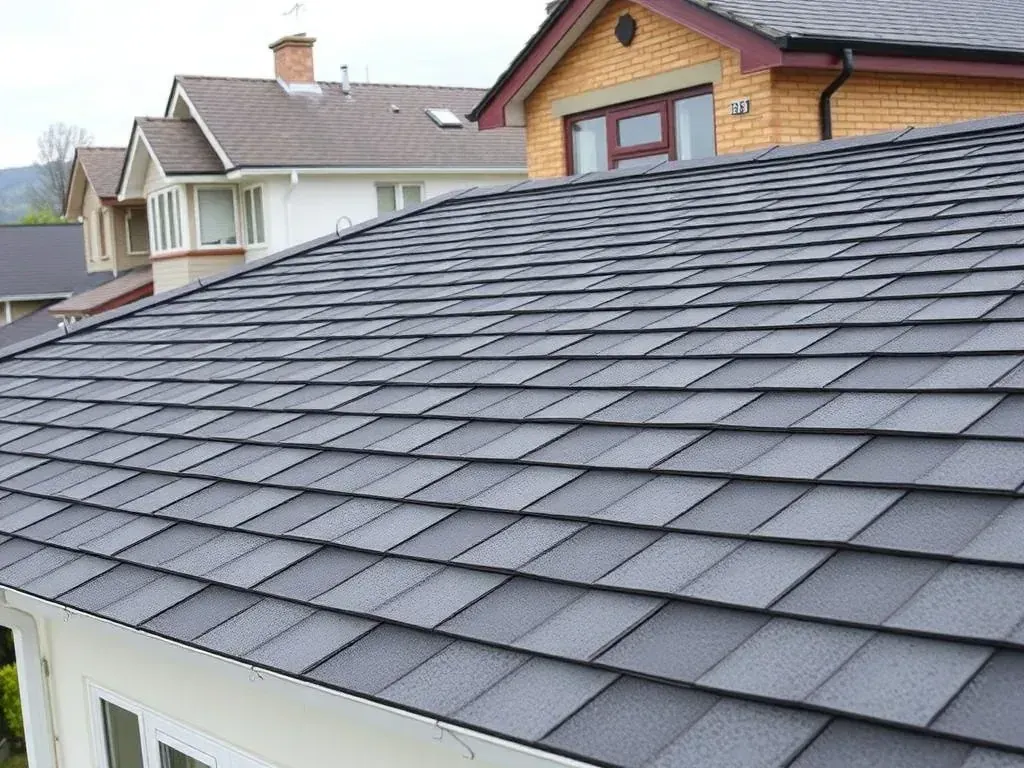
- Three-tab shingle and architectural shingle roofs take a clean patch, and color match is close on anything installed in the past decade.
- Wood shake and cedar shake get split out by hand, because prying against a neighbor shake tears the piece beside it.
- Clay tile, concrete tile, and slate are brittle underfoot, so we work off foam pads and keep matching pieces for hip and ridge repairs.
- Metal panel, standing-seam panel, and corrugated panel get a fastener check, fresh washers, and a sealant made for metal.
- Flat sections on TPO, EPDM, or PVC membrane are patched with the same membrane and heat-welded or glued, and we never cover a seam in tar and call it fixed.
- Built-up roof and modified bitumen surfaces get a repair coat of bitumen, with ponding water at a scupper or coping corrected first.
Roof shape matters too. A simple gable has two rakes and one valley, while a hip roof adds planes, more ridge, and more places for a transition to leak.
Steeper mansard and gambrel roofs, plus any dormer, canopy, awning, or overhang attached to the house, create joints that need flashing rather than sealant.
Structural work sits under the shingles. We pull plywood or OSB sheathing where it has gone soft, sister in a joist or rafter, and check the ridge beam and any purlin on an older frame.
On a flat roof, batten and counterbatten runs get checked for corrosion before a new membrane goes over the substrate.
- We build the roof estimate from the ground and from the rooftop, so nothing on the far side gets missed.
- We confirm the building code requirements for your assembly, since nail spacing and drip edge rules shift with roof age.
- We tear off only what is damaged. On many homes that is one roofing square or less instead of the whole field.
- We replace the worn layer with synthetic underlayment or felt (what most people still call tar paper), plus ice-and-water shield at the eave where wind-driven rain backs up the way an ice dam would in a colder state.
- We reset the metal: step flashing, pipe flashing, boot flashing, drip edge, ridge cap, and counter-flashing.
- We fasten with the right nail or screw for the substrate and hand-seal only where the manufacturer requires it.
- We haul debris out in a dumpster and run a magnet over the lawn and driveway before we leave.
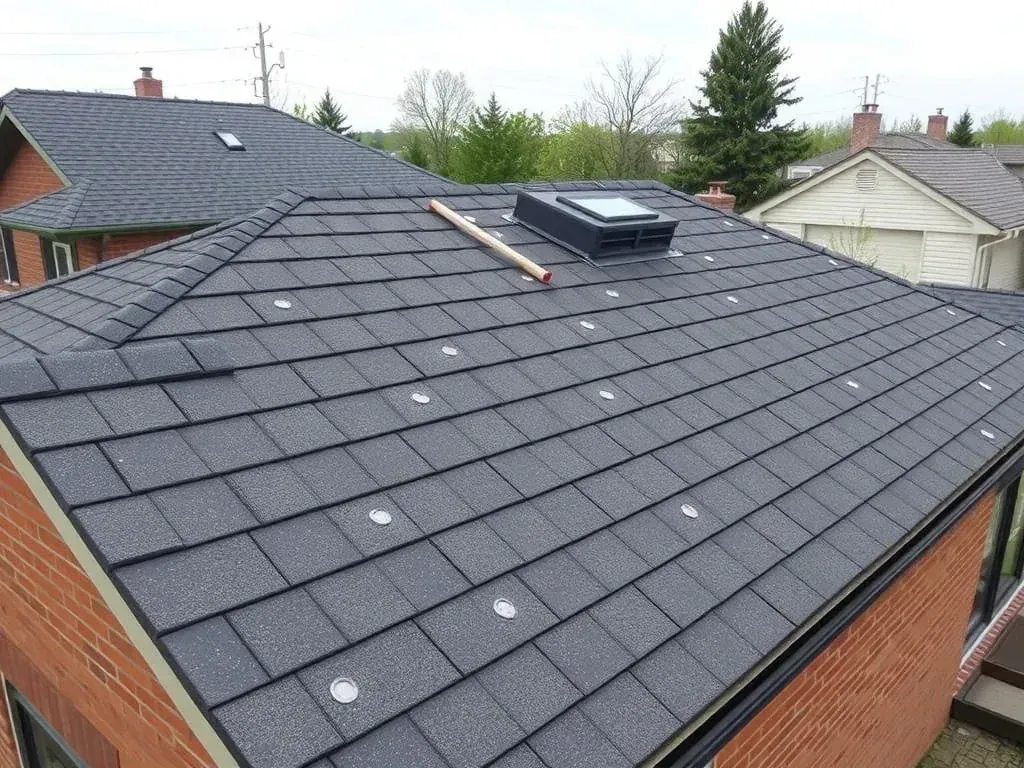
Tear-off runs on a nail gun and air compressor for the re-nail, and on hand tools such as a pry bar or roofing shovel where a machine would tear good material. A torch comes out only for modified bitumen seams.
Ventilation belongs in the same visit. A clogged ridge vent, a blocked soffit vent, or a dead attic fan pushes attic temperatures past 130 F in August, baking shingles from underneath.
We check the soffit and fascia for rot and clear debris off the roof surface while we are up there. Waterproofing a valley means flashing, not sealant, and weatherproofing the rest is mostly about drainage and airflow.
Not every roof needs replacing. Where a flat section has years left, a reflective coating buys time, and a self-adhered adhesive membrane resets a small roof without fasteners.
A vapor barrier and insulation go in only where the assembly calls for them, because trapping moisture is worse than leaving the deck open.
A recover or overlay, where a second layer of shingles goes over the first, is cheaper up front. We'll tell you when it is the wrong call and when an insurance adjuster will not pay for it.
Cost depends on the square count, the pitch, whether the decking is sound, and whether the job is an emergency call or an insurance claim.
A typical repair takes a few hours. Storm damage or a roof that needs sheathing replaced can run two or three days.
Every job is done by a licensed and insured roofing contractor, and we seal each anchor point when the harness comes off. We don't install snow guards here; they are a cold-climate product with no place on a Florida roof.