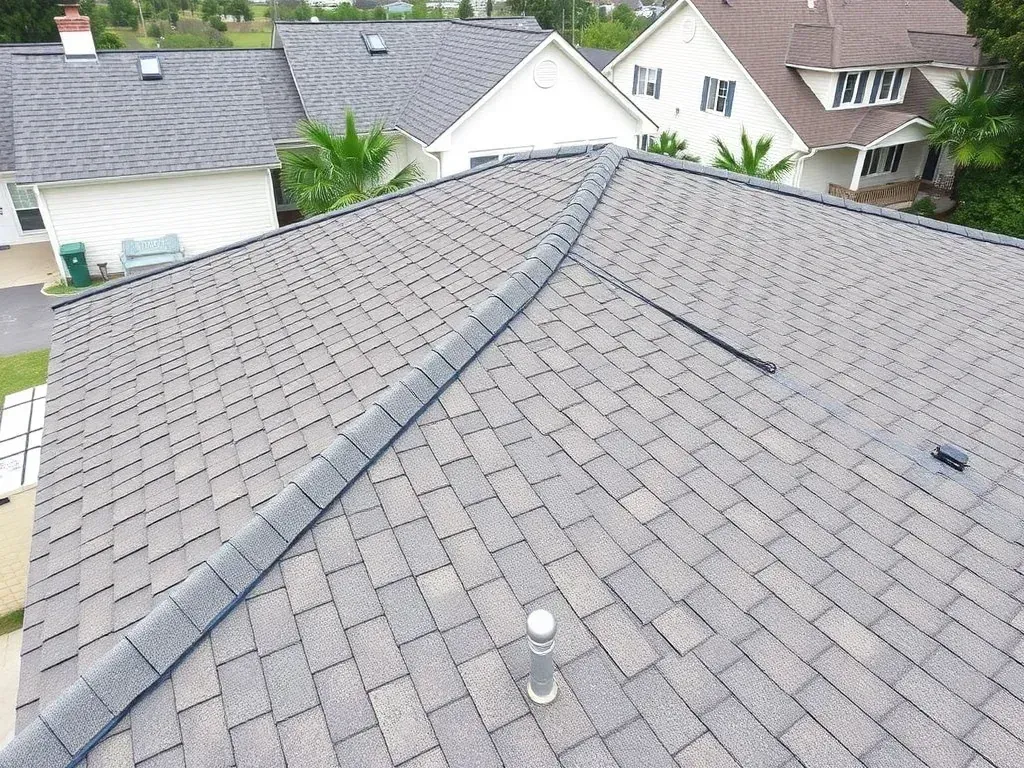
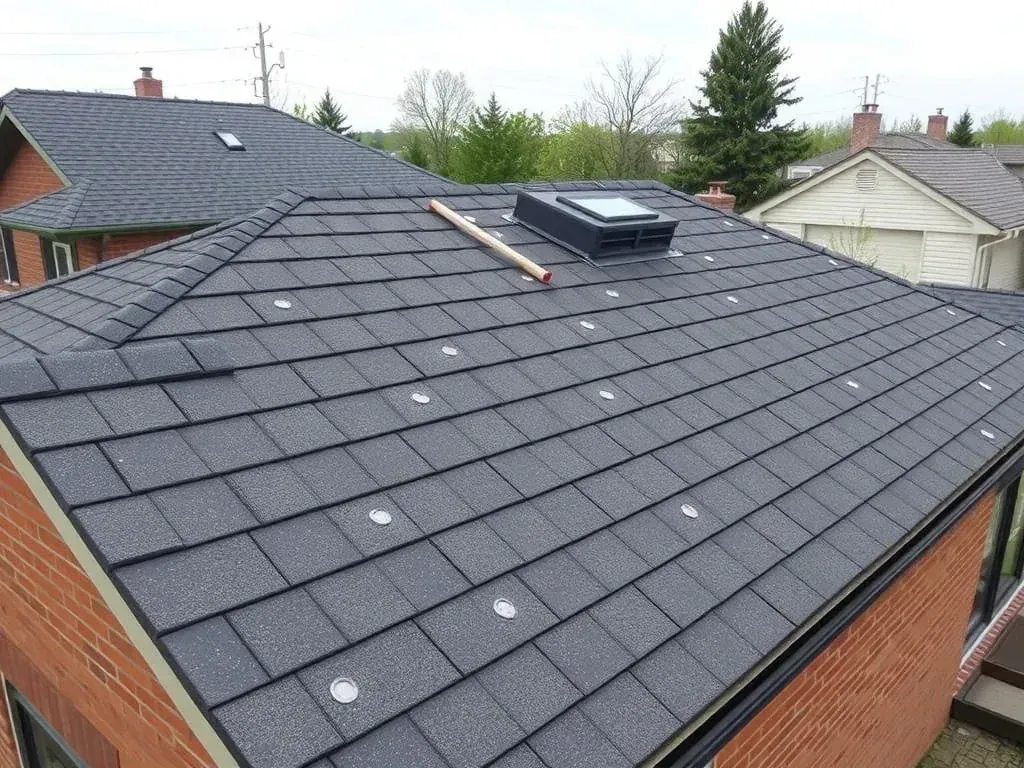
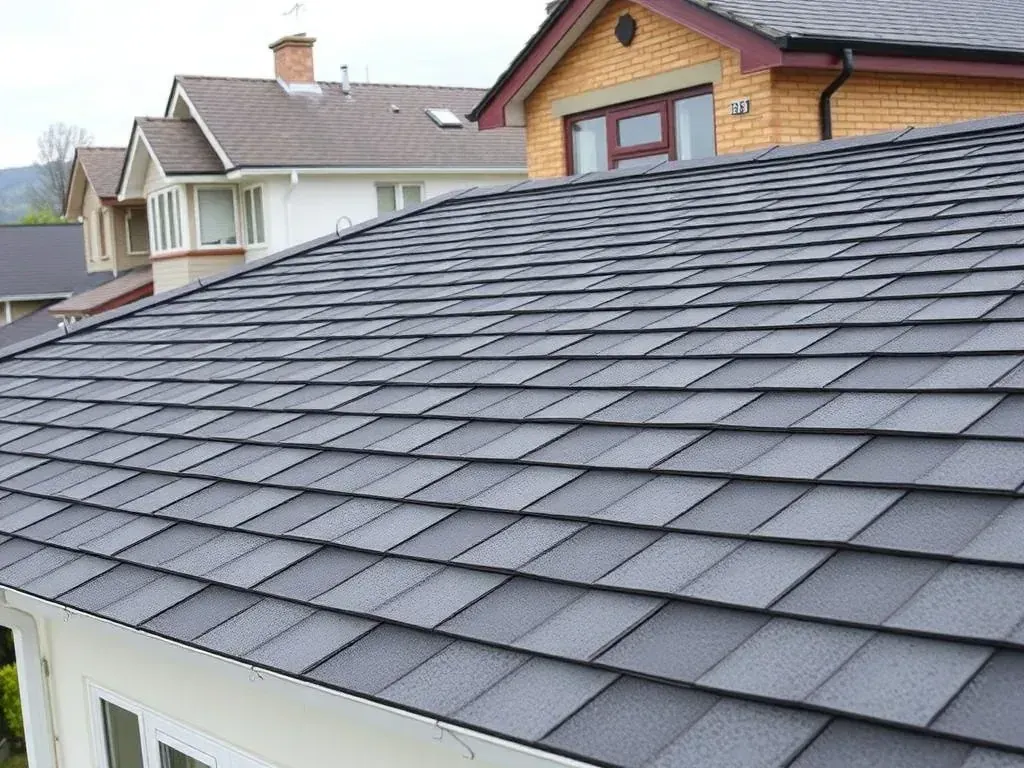
A roof inspection is a top-to-bottom look at your shingles, flashing, attic, and drainage, not a five-minute glance from the driveway. We check underlayment condition, mark any cracked or curled shingle tabs, and photograph every penetration we find for a written report.
Inside the attic we check ridge vent, soffit vent, and attic fan performance, because poor ventilation cooks shingles from underneath. Insulation moisture and roof deck sheathing get checked too, since a soft spot under a shingle usually starts in the plywood or OSB.
A moisture meter and an infrared scan confirm leaks that never reach your ceiling, and drone imagery covers steep pitches we cannot safely walk. We write up the findings with photos so you have proof to hand an insurance adjuster.
Orlando's climate is hard on roofs. Afternoon thunderstorms run May through October, hurricane-force winds and tropical storms push water sideways, and high humidity leaves north-slope shingles algae-stained and chalky.
Catching granule loss and a failing pipe boot early turns a modest repair into an avoided replacement. That is the point of a roof estimate done before water wicks into the deck and the damage spreads past the flashing.
We inspect 1980s concrete block ranch homes, 2000s Mediterranean-style stucco villas, and 1950s Mid-Century bungalows in historic districts, and each one fails differently. Stucco walls hide step flashing and counter-flashing problems that show up months later as a ceiling stain.
We also note building code concerns such as drip edge at the eave and rake, plus ice-and-water shield in the valleys and fastener spacing on metal panel roofs.
Gutters, downspout flow, fascia, and soffit get the same attention, since a clogged gutter rots the fascia and backs water up under the drip edge.
Metal roofing adds its own checklist of exposed fasteners, gasketed screws, and the caulk and sealant beads along every lap.
What we find depends on what is up there. Three-tab shingle from the 1990s is usually curled and thin on granules, while architectural shingle holds up longer but still blisters after a decade of 92-degree August afternoons with attic temperatures past 130 F.
Tile and clay tile shed rain well but crack when a ladder is set on them wrong. Wood shake and cedar shake cup and split in the humidity. Standing-seam panel and corrugated panel expand and contract with heat, which loosens fasteners.
Flat sections are a different animal. Built-up roof, modified bitumen, TPO, EPDM, and PVC membrane each age on their own schedule, and ponding water finds every low spot a parapet, coping, or scupper creates.
Concrete tile and slate are the heavyweights, and both push a truss and rafter system harder than asphalt does. On a mansard or gambrel, that load matters even more.
We check the roof deck itself for buckled sheathing and delamination, the joist and ridge beam lines for sag, and the substrate under a coating for adhesion. Roof cement and mastic get used only where a genuine gap exists, never as a cover-up.
Our crews work off ladders and scaffold, tied in with a safety harness on anything steep. We run a nail gun off an air compressor instead of hand-driving a roofing square of shingles.
A pry bar and roofing shovel strip the old course, and a dumpster holds the debris so your yard stays clean.
Torch-down work on modified bitumen needs an open flame and a fire watch, which is one more reason we schedule flat roof work early in the day. In central Florida, a hot rooftop plus a torch is not something to rush.
Battens, purlins, and counterbattens show up on tile systems, and a vapor barrier under the decking controls condensation that otherwise drips onto your insulation. Waterproofing and weatherproofing are not the same job, and we explain which one your roof actually needs.
Roofline details are where most leaks start. Hip and ridge cap joints, gable and verge edges, apron flashing at a chimney, and pipe flashing at a vent stack all collect water before the field of the roof ever sees it.
A dormer tie-in, a canopy over a side door, and an awning frame all slow water down and give it time to find a gap. We look at those before we look at the field.
Snow guard and ice dam hardware rarely come up in Orlando, but we check attic anchors and every adhesive or caulk joint at a rooftop penetration anyway.
We are licensed & insured, and we document findings against the same damage-assessment standards HAAG and IICRC use, so the photos and notes in your report hold up when an adjuster reads them.
Most inspections take an hour or two on a single-story home, and the written report with photos follows the same day. If we find nothing that needs work, we tell you that and you go back to your weekend.
A roof estimate for a small fix usually falls in the low hundreds, while partial re-roofing runs into the low thousands. We put numbers on paper before any work starts.