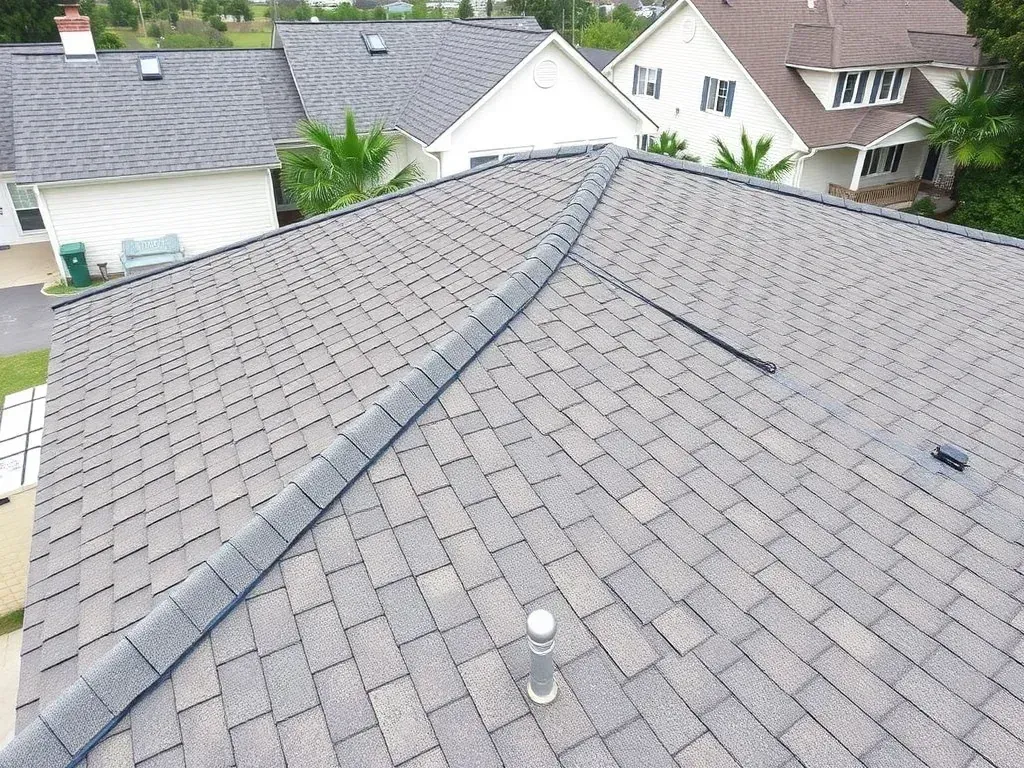
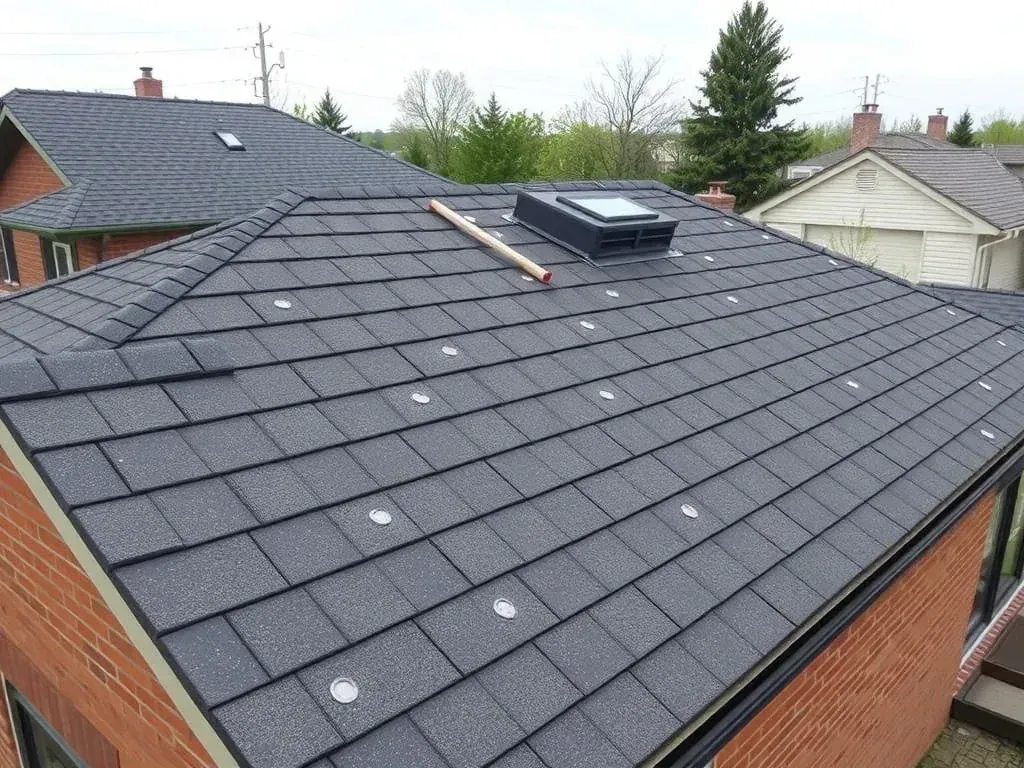
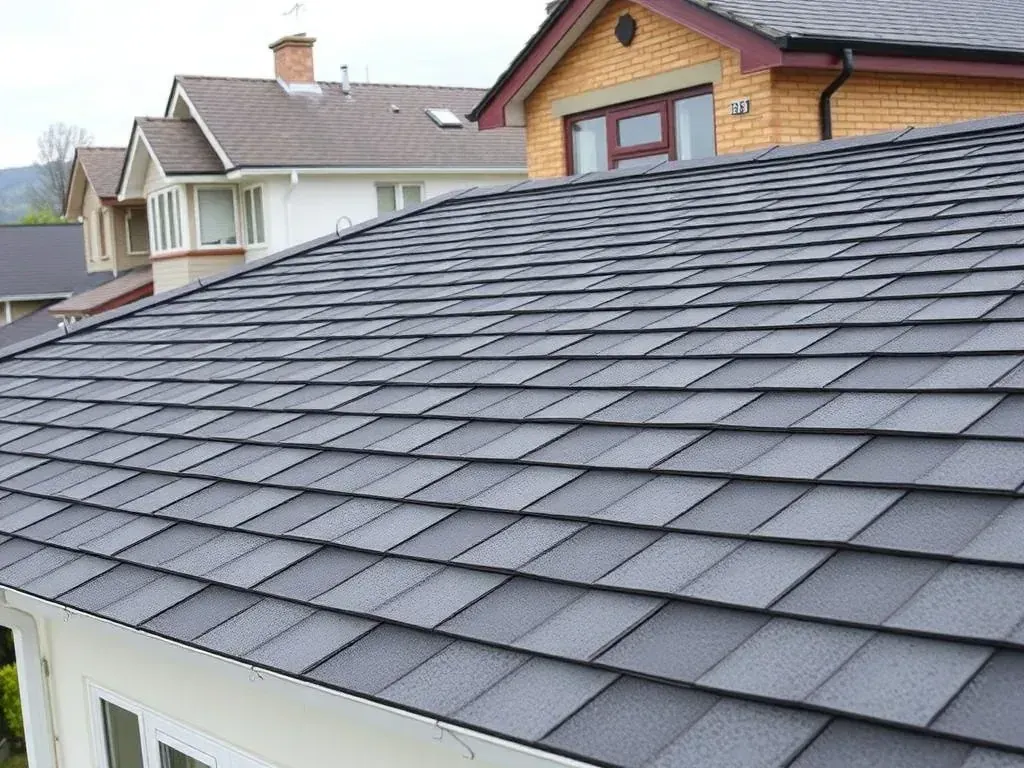
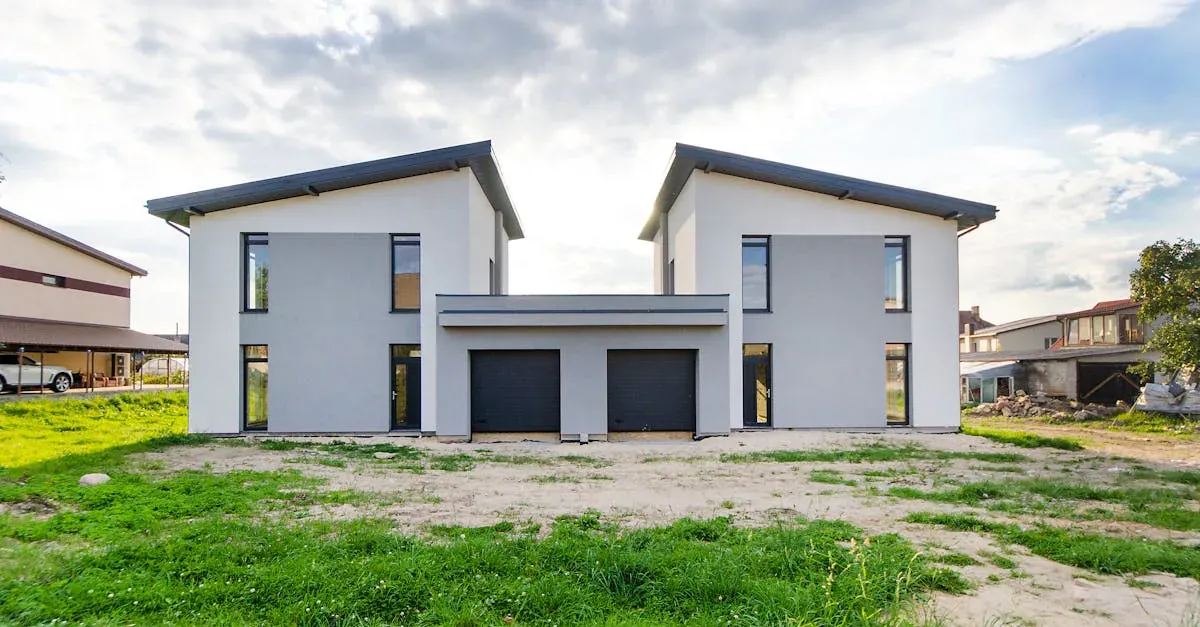
Commercial roofing covers the flat and low-slope assemblies on retail strips, warehouses, offices, and mixed-use buildings. At a 2% pitch, water drains by gravity or not at all, so the membrane, laps, and drains do the real work.
We survey the roof deck, parapet walls, and drainage before quoting. A membrane laid over wet insulation fails within a season, which is why a roof asset survey comes before any tear-off, recover, or overlay.
TPO and PVC single-ply membranes resist UV and standing water; EPDM lasts but punishes sloppy seaming; modified bitumen and built-up roofing take foot traffic and torch work better than thin single-ply.
- Ponding water still sitting 48 hours after a storm points to a blocked scupper or a settled roof deck.
- Blisters and wrinkles in the membrane mean trapped moisture, and that moisture wicks down into the insulation.
- Open laps at the parapet and coping let water seep behind the flashing and into the wall cavity.
- Granule loss, chalking, and alligatoring on modified bitumen signal end-of-life wear, not a repairable seam.
- A sagging roofline over a purlin or ridge beam usually means a deck problem, not a surface problem.
A reflective coating can add years to an aging roof at a fraction of replacement cost, and we will tell you plainly when coating is the honest call and when it is money wasted.
Ventilation and insulation matter as much as the membrane. Attic temperatures near 130 F degrade sealants from below, and code-compliant insulation plus ridge or mechanical ventilation cuts both cooling load and condensation.
Where a sloped section ties in, a standing-seam panel or a metal panel system outlasts shingle and holds against hurricane-force wind uplift. On taller buildings we work from scaffold with a safety harness, and schedule around building code inspections so tenants keep their doors open.
Systems from Carlisle SynTec, GAF EverGuard, Firestone, Johns Manville, and Versico carry 15- to 30-year NDL warranties when a licensed & insured crew installs them to spec.